
 There is nothing humble about potatoes.
With hundreds of varieties commercially available and 80 percent of the world producing and consuming them, the potato is a major success.
All potatoes contain complex carbohydrates, dietary fibre, several vitamins and minerals, and absolutely no fat.
However, not all potatoes are suitable for every cooking process.
The texture varies from floury to waxy depending on the type.
To put that into perspective – waxy potatoes are best roasted, boiled or made into potato salad as they stay firm and hold their shape, the floury potatoes are great for mashing and go crispy when fried as chips.
Some varieties like ‘Bintje’ are excellent for most purposes.
Of the many varieties available, some of the most common found on our supermarket shelves are:
- Desiree, Pontiac
- King Edwards
- Congo Blue
- Russet
- Coliban
- Delaware
- Kipfler
- Jersey Royal, and
- Kennebec, to mention just a few.
It should be noted that potatoes shouldn’t be eaten raw as they contain some indigestible starches that need to be cooked out – or you’ll get a bad stomachache.
Warm Potato Salad
- 1kg desiree potato, cut into small pieces
- 100ml dry white wine
- 75ml extra virgin olive oil
- 50g seeded mustard
- sea salt flakes and pepper
- 50g basil leaves, torn
- 50g chives, finely chopped
- In a saucepan of salted water, boil potato until tender and cooked.
- Drain water off and while potato is still hot pour on wine.
- Stir in extra virgin avocado oil and seeded mustard.
- Season the salad with sea salt and freshly ground black pepper.
- Before serving, mix in basil and chives.
Note: This salad is a great accompaniment to a barbecued steak or grilled fish.
Serves 6.
 My wife is of Hungarian and German heritage. Growing up, she relished visits to her Grandfather’s home to indulge in all manner of Hungarian culinary delights.
 The earliest form of baking began with Stone Age farmers who created the first flat bread. It was a porridge made from grain and water, spread thinly on hot stones.
 In the history of spice, ginger would have to be one of the most famous and aromatic, besides pepper.
 Sometimes referred to as ‘Chinese parsley’ or ‘cilantro’ – coriander is a native herb of the Middle East and Southern Europe.
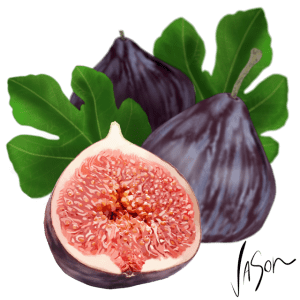 Figs have a long and colourful history; the Greeks considered the fruit a symbol of fertility.
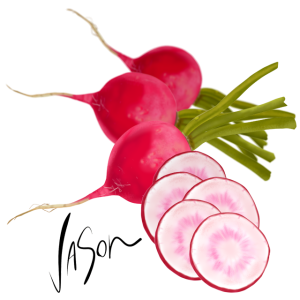 Radish is the comeback kid of the culinary world.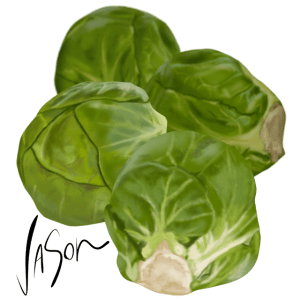
 The first time I saw a piece Wagyu beef steak, my jaw dropped.
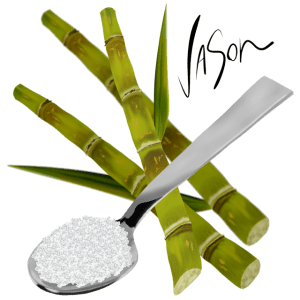 Sugar could be described as a pure carbohydrate, used all around the world to sweeten food.







 Ford on Food
You must be logged in to post a comment.